News
FCC Approves SpaceX Starlink Constellation Expansion
FCC approves SpaceX Starlink constellation expansion, authorizing 7,500 Gen2 satellites to total 15,000 and outlining broader implications.
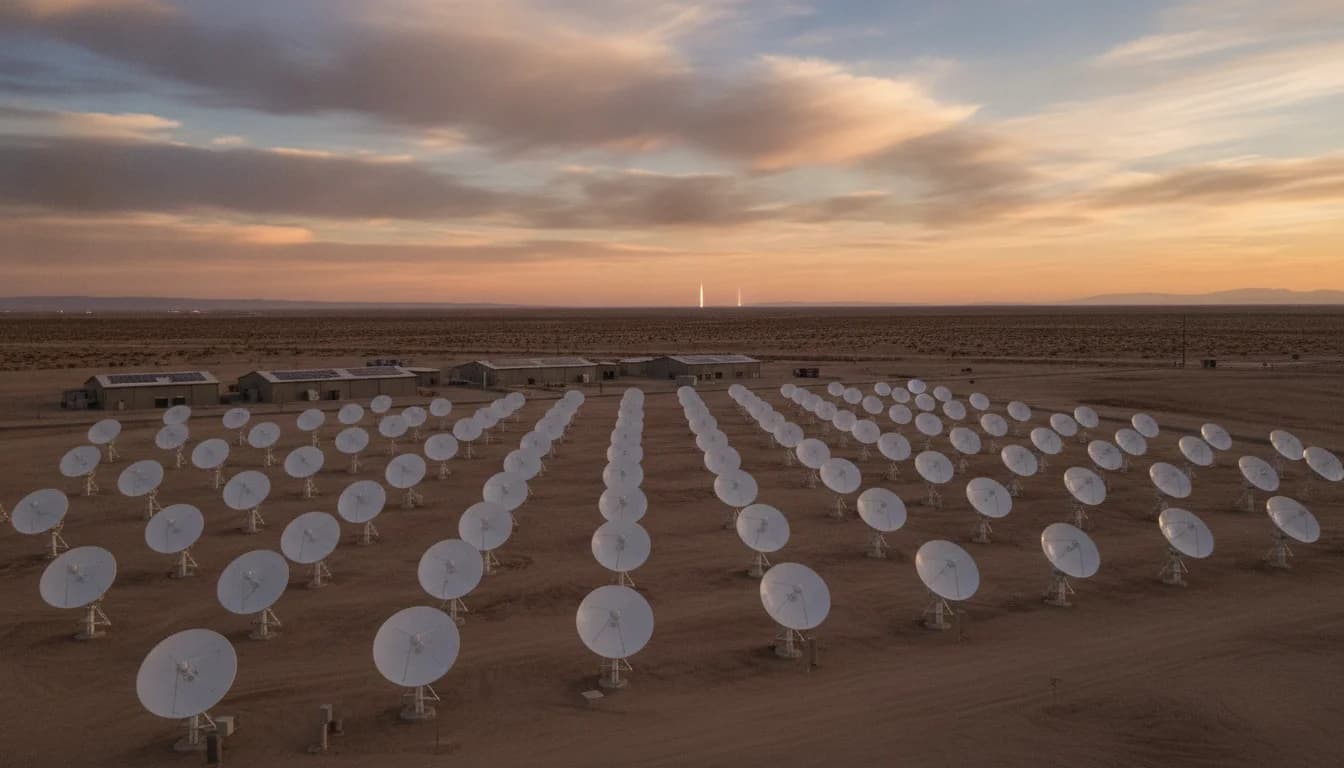
FCC approves SpaceX Starlink constellation expansion
In Washington, D.C., on January 9, 2026, the Federal Communications Commission announced it had granted Space Exploration Holdings, LLC (SpaceX) a major authorization to advance its second-generation Starlink satellite system. This action represents a pivotal milestone in the global push to expand high-speed internet access through satellite networks and underscores the regulatory path SpaceX has pursued to scale its Gen2 constellation. The FCC’s decision, released in a formal order, marks the moment SpaceX earns regulatory permission to deploy a substantial expansion of its Starlink network. The broader implication is clear: the agency has paved a path toward much higher capacity and more ubiquitous coverage, especially for underserved regions. This is the kind of development that could reshape broadband competition and investment in space-based infrastructure. According to the FCC’s January 9, 2026 press release, SpaceX is authorized to deploy an additional 7,500 Gen2 Starlink satellites, bringing the total to 15,000 satellites worldwide. This detail, embedded in the agency’s action, anchors the news in a precise, verifiable number and date. (docs.fcc.gov)
The decision also enables SpaceX to upgrade the Gen2 satellites with advanced form factors and to operate across multiple frequency bands, including Ku-, Ka-, V-, E-, and W-band, supporting both Fixed Satellite Service (FSS) and Mobile Satellite Service (MSS). The authorization drives capacity for direct-to-cell and space-based mobile connectivity, expanding the potential reach of Starlink beyond fixed-user setups and traditional home terminals. The FCC’s order highlights collaboration with the Commerce Department and the National Telecommunications and Information Administration (NTIA), signaling a cross-agency effort to align policy, spectrum use, and national broadband objectives. These elements together shape SpaceX’s trajectory for Gen2 and set the stage for a broader market conversation about satellite broadband. (docs.fcc.gov)
What Happened
Authorization Details
The core outcome of the FCC action is that SpaceX may construct, deploy, and operate an additional 7,500 Gen2 Starlink satellites, bringing SpaceX’s total Gen2 constellation to 15,000 satellites worldwide. The order also authorizes upgrades to the Gen2 satellites, enabling them to leverage expanded spectrum use and advanced technology to improve performance and capacity. This explicit authorization to add 7,500 satellites is the centerpiece of the decision, reinforced by the agency’s description of the expansion as a major authorization for the second-generation Starlink system. The line item of 15,000 satellites marks a definitive cap on the Gen2 authorization granted in this action. The documentation notes that this expansion is intended to deliver high-speed, low-latency internet service globally and to provide enhanced mobile and supplemental coverage from space. The January 9, 2026 date anchors the action in a specific regulatory moment. (docs.fcc.gov)
Timeline and Process
The FCC’s January 9, 2026 release situates the action squarely in a regulatory timeline that reflects ongoing reviews of SpaceX’s broader Starlink Gen2 application. The Commission stated that the total Gen2 authorization would reach 15,000 satellites with the current expansion, while simultaneously deferring action on remaining components of SpaceX’s Gen2 proposal to address safety, orbital debris, and spectrum considerations. This staged approach—granting a substantial tranche while keeping other elements under review—illustrates the Commission’s balancing of rapid broadband deployment with long-term spectrum management and space safety. The official document for the action provides the explicit numbers, the shells and altitudes, and the frequencies involved for this tranche. (docs.fcc.gov)
Technical Scope
Beyond the satellite count, the FCC order outlines the technical scope of the Gen2 expansion. The authorization enables SpaceX to add new orbital shells at altitudes ranging from 340 km to 485 km, which is a configuration intended to optimize coverage, latency, and capacity. It also clarifies that SpaceX may operate across the five specified frequency bands and support both FSS and MSS services. The plan includes waivers of certain legacy requirements that previously limited overlapping beam coverage and constrained capacity, a move the agency describes as necessary to maximize the Gen2 network’s potential. In addition, the order highlights the intent to provide direct-to-cell connectivity outside the United States, with supplemental coverage within the U.S., signaling a more global footprint for Starlink’s next generation. These details frame the scope of what SpaceX can pursue under this specific authorization. (docs.fcc.gov)
The Regulatory Narrative
The January 9, 2026 FCC decision is notable not only for its numbers but for its place in the evolving regulatory narrative around mega-constellations. The agency’s action follows a pattern of granting growth opportunities for SpaceX while continuing to evaluate broader elements of SpaceX’s Gen2 plan. Reuters’ coverage of the same moment underscores that the FCC also allowed SpaceX to upgrade satellites and operate across a broader spectrum set, while deferring some components of the broader Gen2 application to further review. The Reuters report emphasizes the regulatory hedges—granting momentum now while leaving some parts for later decision—reflecting a cautious but forward-leaning stance on starlink-scale deployments. (investing.com)
This FCC authorization is a game-changer for enabling next-generation services. — FCC Chair’s statement in the formal order, reflecting the agency’s view of Gen2’s potential impact within the broader broadband landscape. (docs.fcc.gov)
Why It Matters
Global Connectivity Impacts
The most immediate implication of the SpaceX Gen2 expansion is enhanced global broadband capacity. With 15,000 satellites authorized under the January 9, 2026 action, SpaceX’s Starlink network stands to deliver higher throughput and more robust coverage, potentially improving connectivity in rural and underserved areas where terrestrial infrastructure remains costly or impractical. The expansion aligns with a broader policy objective—expanded access to high-speed internet—by leveraging satellite-based delivery to complement terrestrial networks. The FCC’s language emphasizes the ability to reach remote regions and to provide improved coverage for mobile and ancillary services, a dynamic that could alter how rural connectivity initiatives are planned and financed across the country. The formal action specifically notes the aim of “high-speed, low-latency internet service globally” and enhanced mobile access, underscoring the network’s potential to support a wider range of use cases. (docs.fcc.gov)
Market and Competitive Landscape
From a market perspective, the Gen2 expansion could intensify competition in the satellite broadband segment. The authorization to deploy a larger constellation—15,000 satellites in total—coupled with the capacity to operate across more spectrum bands, may influence pricing, service offerings, and the pace of deployment among rivals. Coverage improvements and potential reductions in latency can shift consumer expectations and prompt other operators to adjust their CapEx plans, spectrum strategies, or ground infrastructure investments. Industry observers will likely monitor how this regulatory momentum translates into actual service improvements, terminal development, and the pace at which global markets adopt satellite-delivered broadband as a core connectivity option. The Reuters coverage contextualizes the regulatory momentum and the scale of the expansion, which has implications for competitors and partners in the satellite broadband ecosystem. (investing.com)
Space Safety and Environmental Considerations
A recurring theme in the SpaceX Gen2 conversation concerns space safety and debris mitigation. The January 9, 2026 order acknowledges the role of orbital deployment decisions in the broader sustainability of the near-Earth environment. By authorizing a mid-range altitude range and enabling new orbital shells, the FCC signals attention to collision avoidance, debris generation, and end-of-life disposal as SpaceX advances its Gen2 program. This is particularly salient given ongoing debates within the astronomy and space-policy communities about the brightness, visibility, and long-term impact of mega-constellations on ground-based astronomy and night-sky ecology. The wider industry conversation often couples regulatory approvals with commitments to debris mitigation, tracking, and responsible end-of-life practices, making this decision a focal point for policymakers, scientists, and space practitioners alike. (docs.fcc.gov)
Public Policy and National Strategy
Beyond the technical and market dimensions, the FCC action intersects with broader national strategy around technology leadership and global digital infrastructure. The press materials note collaboration with the Commerce Department and NTIA, hinting at a coordinated approach to spectrum management, export controls, and potential integration with other federal efforts to improve nationwide broadband access and resilience. In a broader sense, the SpaceX Gen2 authorization situates the United States at the center of rapid satellite-based connectivity expansion, a trend that policymakers, industry participants, and researchers will monitor for its potential impacts on trade, competition policy, and the regulatory framework governing space assets. The primary source documenting the action provides a window into how regulators frame these megaconstellation initiatives within a broader policy mosaic. (docs.fcc.gov)
Stakeholder Reactions and Reconsiderations
Industry stakeholders have been weighing the regulatory path for Gen2 satellites against concerns raised by competitors, astronomers, and space-safety advocates. Coverage from Reuters, which reported the agency’s decision to defer the remainder of SpaceX’s Gen2 application, highlights the ongoing negotiations and considerations surrounding the full scope of SpaceX’s Gen2 goals. The deferral suggests that while the agency is comfortable granting a substantial portion of SpaceX’s plan, it also intends to maintain oversight and additional review to address environmental, safety, and spectrum-use implications as deployment proceeds. This dynamic—substantial regulatory momentum tempered by targeted review—has the potential to shape how future mega-constellations are evaluated and approved. (investing.com)
What’s Next
Next Milestones
With the January 9, 2026 authorization in hand, SpaceX now faces a sequence of operational milestones to actualize the Gen2 expansion. The company will proceed with satellite manufacturing, launch commitments, and deployment scheduling that align with the expanded authorization. A critical component of these milestones is the capacity to upgrade satellites and implement the broader spectrum usage designated by the FCC order. Given the regulatory deferral of remaining Gen2 components, SpaceX may prioritize the completion of the granted tranche while continuing to engage with regulators on the portion of the plan that remains under review. Observers will be watching for formal filings, launch manifests, and any subsequent regulatory updates that specify the pace and scope of the remaining Gen2 elements. (docs.fcc.gov)
What to Watch For
Several areas warrant close attention in the weeks and months ahead. First, SpaceX’s launch cadence and manufacturing capacity will be a primary signal of how quickly the new satellites can begin contributing to service enhancements. Second, regulatory developments related to the deferred portions of the Gen2 proposal will shape the total constellation’s future size and configuration. Third, the broader industry and astronomical communities will monitor operational practices to assess debris mitigation, tracking capabilities, and potential interference with ground-based observations. The regulatory process itself—how the FCC balances acceleration with safety—will continue to inform public policy and investor sentiment around space-based infrastructure. As coverage from Reuters and other outlets indicate, the regulatory path for mega-constellations remains dynamic, with new filings and potential adjustments in response to safety and spectrum considerations. (investing.com)
Closing
The January 9, 2026 FCC decision to authorize 7,500 additional Gen2 Starlink satellites, bringing SpaceX’s total Gen2 constellation to 15,000 satellites, marks a major inflection in the trajectory of satellite broadband. The action demonstrates the agency’s willingness to accelerate capacity while maintaining a framework for ongoing review of the remaining Gen2 elements, signaling a careful but ambitious regulatory posture toward megaconstellations. For readers seeking up-to-date developments, the FCC’s official order and its accompanying materials provide the authoritative baseline, while Reuters’ reporting offers contemporaneous context on the regulatory process and industry response. As SpaceX translates regulatory authorization into launches and service improvements, expect continued scrutiny from policymakers, technologists, and observers who track how space-based connectivity reshapes the digital landscape. The broader story of Starlink, Gen2, and the evolution of satellite broadband remains in motion, with new filings, launches, and technical adaptations likely to feature prominently in the months ahead. (docs.fcc.gov)
About the author
Ellen Marsh
Ellen Marsh is the national editor at USA Times, directing coverage of Washington, the states, and the federal courts.
Keep reading
More from USA Times

DOJ Highlights FOIA Request Best Practices at 2025 Summit
FOIA request best practices spotlighted by DOJ at the 2025 Summit, with data-driven insights for reporters and citizens.
Priya Raghavan / October 22, 2026
Artemis Cadence Update: NASA Boosts Mission Pace
USA Times offers an in-depth analysis of Artemis cadence shifts as NASA accelerates the mission pace, aiming for ambitious goals by 2026.
Ellen Marsh / October 21, 2026

US National Debt Milestone: Debt Tops $40T
Explore a data-driven analysis of the US national debt milestone as it surpasses $40 trillion, examining significant market impacts and implications.
Daniel Reyes / October 20, 2026