National
Bessent launches global Iran sanctions as US gas hits $4.09
Treasury's Operation Economic Outcast threatens Iran's trading partners worldwide. USA Times sets the campaign against EIA pump prices: US gasoline is up $1.15 a gallon in six months.
Treasury Secretary Scott Bessent announced a global secondary-sanctions campaign against Iran on Monday, August 24, promising to penalise any company or country anywhere that helps convert Iranian oil into revenue.
"Around the globe, our objective is to sever every economic lifeline that sustains this tyrannical regime until Tehran stands alone," he said at a press conference at the Treasury Department. The campaign is called Operation Economic Outcast. Bessent also called it "economic D-day".
The Treasury designated close to 60 entities, individuals and vessels involved in what it described as illicit procurement of nuclear and missile technology, cyber operations and oil smuggling, and extended the categories subject to secondary sanctions to digital assets, technology, gold, aviation and shipping.
Notably, no major international financial institution was designated. Asked why the United States was threatening Iran's trading partners rather than penalising them, Bessent replied: "Well, we are giving everyone the opportunity to remedy bad behaviour. Why would I want to blow up the global financial system?"
The bill Americans are already paying
The campaign is nearly six months old, and its cost is legible in domestic data that has nothing to do with Iran.
Setting the Energy Information Administration's weekly pump prices against the campaign's timeline, USA Times finds American gasoline has risen from $2.937 a gallon in the week before the February strikes to $4.085 in the week to August 24, a rise of $1.15, or 39%, in six months. The peak was $4.50 on May 11, the highest weekly reading since the summer of 2022.

| Point in the campaign | Week | US average gasoline |
|---|---|---|
| Before the strikes | Feb 23, 2026 | $2.937 |
| After the port blockade | Apr 20, 2026 | $4.044 |
| Campaign peak | May 11, 2026 | $4.500 |
| Summer trough | Aug 10, 2026 | $4.006 |
| Sanctions announcement week | Aug 24, 2026 | $4.085 |
Source: US Energy Information Administration weekly retail prices, regular grade, US average. Alignment with campaign events by USA Times; the correspondence is chronological and does not by itself establish causation.
For a household driving 15,000 miles a year in a vehicle returning 25 miles per gallon, $1.15 a gallon is about $690 a year per car. That is the domestic price of a policy conducted several thousand miles away, and it is being paid whatever anyone thinks of the policy.
The mechanism is not obscure. Tehran has largely shut down and asserted control over the Strait of Hormuz, through which a substantial share of the world's seaborne oil and gas moves. Iran took that step in response to US and Israeli strikes, and the effect on global crude has been immediate and sustained.
What the campaign has and has not achieved
The strikes have killed Supreme Leader Ali Khamenei and other senior officials. They have not dislodged the governing system in Tehran, which continues to direct missile and drone attacks across the region.
The United States announced a naval blockade of Iranian ports in April. As one assessment quoted by Al Jazeera put it, "The blockade has clearly hurt Iran, especially its oil exports, but it hasn't produced the political outcome Washington wants. Iran hasn't capitulated."
That is the "no war, no deal" limbo the new sanctions are meant to break. Multiple rounds of fighting and diplomacy have failed to resolve the crisis, and the stated conditions for a settlement remain maximal: Washington wants Iran to give up its nuclear programme and to stop attacking shipping in Hormuz.
The pattern of the last six months is that each additional instrument of pressure has raised the cost to Iran and to the world economy without changing Tehran's position, and Operation Economic Outcast is the same instrument aimed one step further out, at Iran's customers rather than at Iran.
Who the sanctions actually target
Secondary sanctions work by forcing a choice on third parties. Bessent was explicit that this is the design: countries must choose between the United States and Iran, and "no one is above the reach of US sanctions." Entities that "facilitate transactions and are part of the ecosystem that turns Iranian oil into money, into repression" will be targeted.
The exposure is concentrated. China buys at least 90% of Iran's crude exports, according to analysis cited by CNN, which makes Beijing the campaign's real subject however the designations are worded. Russia's trade with Iran was about $5.8 billion in 2025, smaller but strategically awkward. India, Turkey, Iraq and the United Arab Emirates are also identified by analysts as being at risk of US action.
Bessent gave each country a deadline. "Every country has a defined timeline to shut down activities we have identified. If they do not take action, we will do so unilaterally through Treasury authorities."
That formulation is where the policy meets its own limit. Sanctioning a large Chinese bank for handling Iranian oil payments would be the enforcement action that gives the threat teeth, and it is also the action Bessent described, in the same press conference, as blowing up the global financial system. The announcement designated no such institution. Until one is designated, the campaign is a deadline with an unstated penalty.
What to watch
Three things will show whether Operation Economic Outcast is an escalation or a warning.
The first is whether any major bank or state-owned energy buyer is designated when the country timelines expire. The second is the response from Beijing, which has absorbed previous US sanctions on Iranian oil purchases by routing them through smaller institutions built for that purpose. The third is at the pump: American gasoline is already at its highest August average on record, and a genuine disruption to Chinese purchases of Iranian crude would tighten the global market further rather than loosening it.
That last point is the awkward arithmetic of the whole campaign. Sanctions that succeed in removing Iranian barrels from the market raise the price of the barrels that remain, and Americans buy those at the same counter as everyone else.
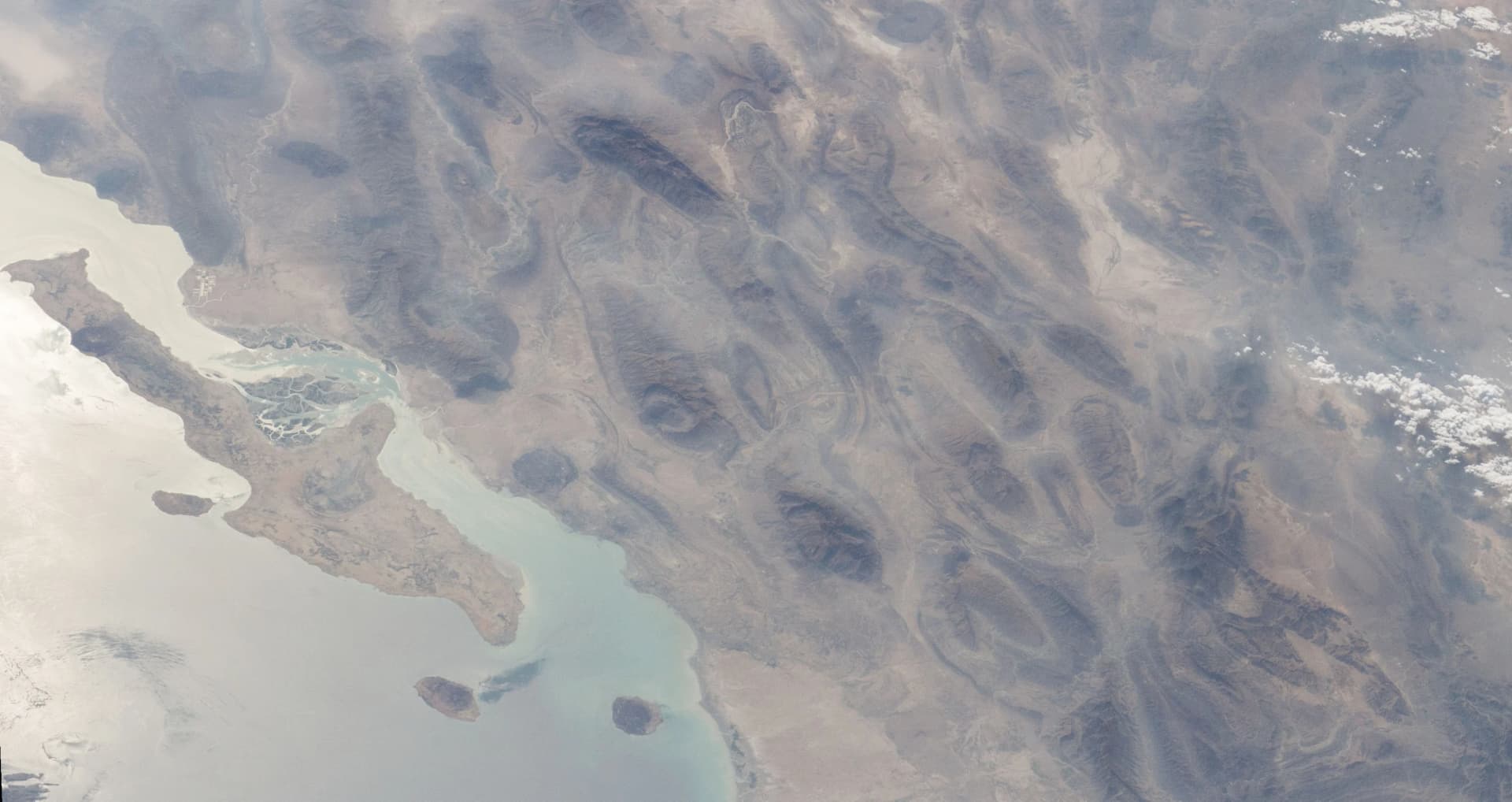
Cover image: the Strait of Hormuz and the Iranian coast, photographed from the International Space Station. Public domain, via Wikimedia Commons.
About the author
Ellen Marsh
Ellen Marsh is the national editor at USA Times, directing coverage of Washington, the states, and the federal courts.
Keep reading
More from USA Times
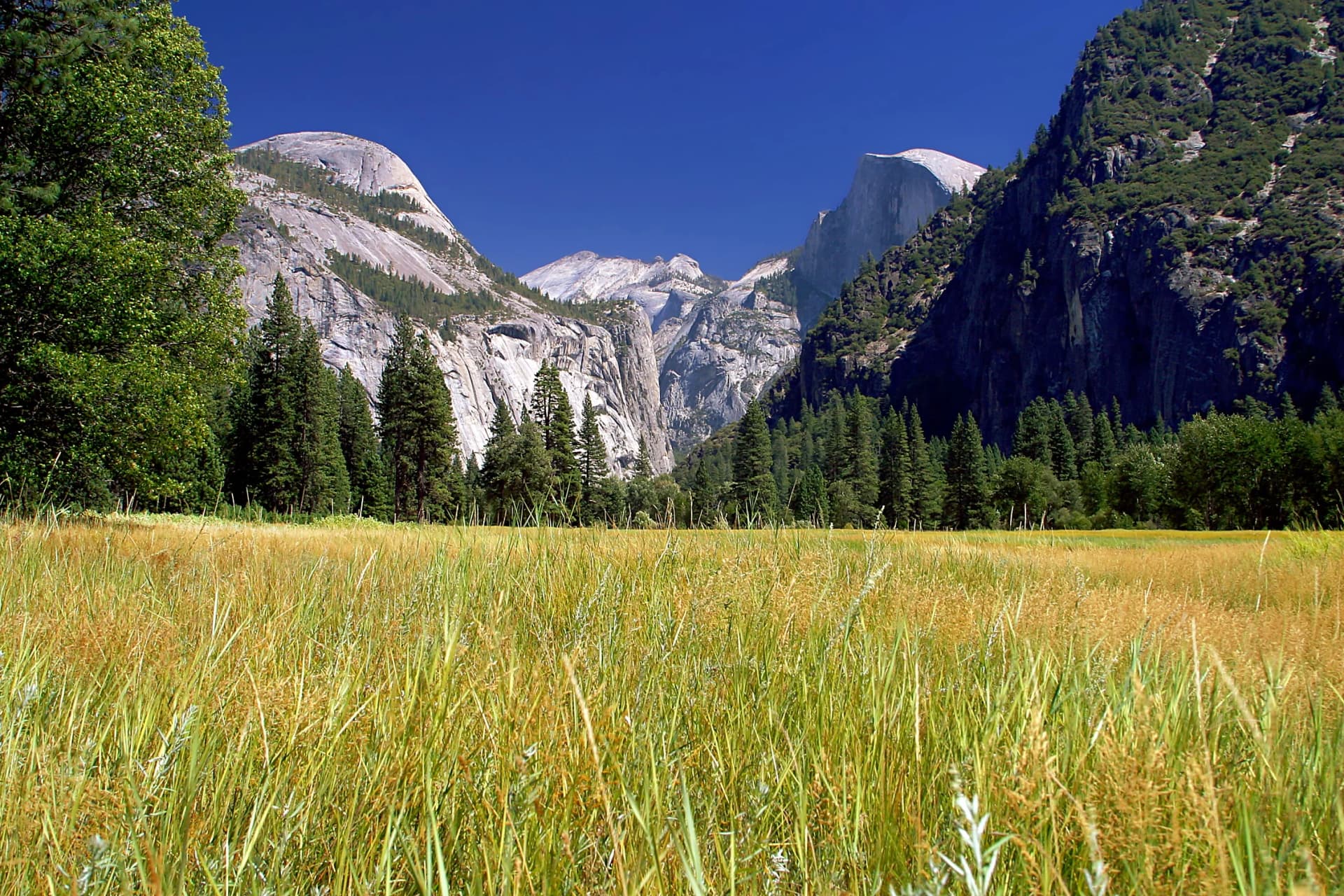
Yosemite land swap would give Kingsbarn a private road
Interior is pressing the Park Service to trade away a quarter-mile of Yosemite. USA Times finds the same private road was refused by three administrations and twice in federal court.
Ellen Marsh / August 28, 2026
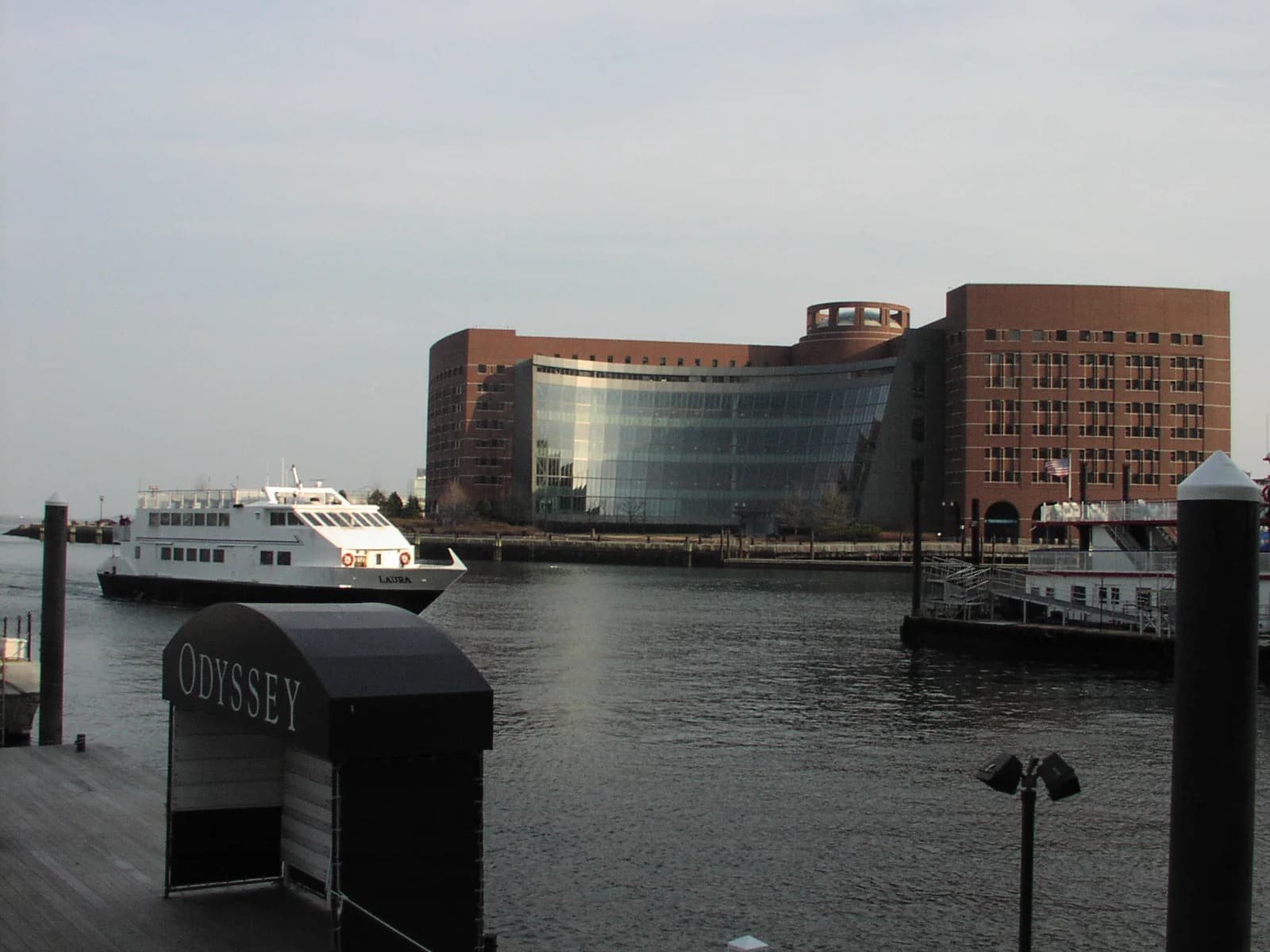
Judge Talwani blocks USPS mail ballot rule before midterms
A federal judge in Boston halted the Postal Service rule implementing Trump's mail voting order. USA Times finds the block expires nine days before the federal deadline to mail military ballots.
Ellen Marsh / August 28, 2026

DOJ Highlights FOIA Request Best Practices at 2025 Summit
FOIA request best practices spotlighted by DOJ at the 2025 Summit, with data-driven insights for reporters and citizens.
Priya Raghavan / October 22, 2026